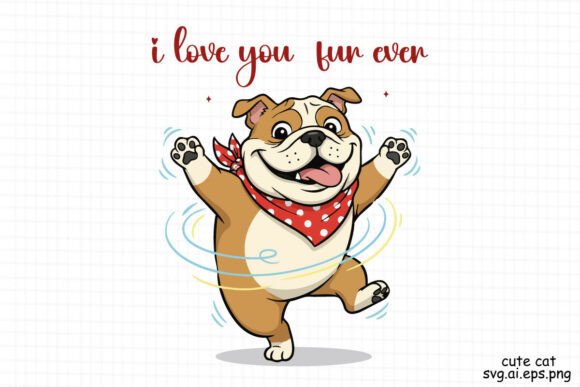
I Love You Fur Ever SVG PNG Review
As a designer who has spent years turning digital files into tangible, stitched masterpieces, I know that the difference between a cute idea and a sellable product often comes down to execution. When I first pulled up I Love You Fur Ever SVG PNG in my design software, the immediate feeling was one of warmth and playful affection. The layout is clean, the typography feels hand-lettered but legible, and the theme screams "personalized gift." It fits perfectly into the Crafts and Graphics categories, but for me, the real question wasn't about the file format—it was about how this design would behave on actual fabric under the needle.
This review isn't just about listing what you get; it's about walking through a real-world scenario where I tested this design before committing to a client order. If you are an Etsy seller, a boutique owner, or a hobbyist looking to elevate your handmade products, understanding the practical nuances of I Love You Fur Ever SVG PNG is crucial for maintaining your reputation and ensuring customer satisfaction.
The First Stitch: Visual Personality and Mood
The moment you open the vector files, the personality of I Love You Fur Ever SVG PNG shines through. It captures a specific emotional niche: the bond between humans and their pets. This makes it incredibly versatile for holiday gifts, baby showers with a pet theme, or even as a sentimental addition to a wedding favor for animal lovers. The visual weight is balanced well enough that it doesn't look cluttered when scaled down, yet it holds its own on larger items like tote bags or sweatshirts.
In terms of embroidery potential, the design relies heavily on satin stitches for the lettering and potentially fill stitches if there are graphic elements representing fur or paws. The curves in the text suggest a friendly, approachable vibe that works exceptionally well for nursery decor or baby clothes. However, the success of this embroidery project depends entirely on how well the digitization handles those curves. A poorly executed curve can look wavy and cheap, whereas a well-digitized one will drape naturally over the garment.
Real-World Application: The Custom Tote Bag Scenario
Let's imagine a concrete situation. You are preparing for a local craft fair and want to create a line of custom embroidered tote bags featuring I Love You Fur Ever SVG PNG. These bags will be sold as unique, personalized gifts for dog and cat owners. You select a heavy-duty canvas tote and decide to place the design centrally on the front panel.
Before running a full production batch, I always recommend testing the design on scrap fabric. In this scenario, the test revealed that the design translates beautifully to a 4x4 hoop size, which is standard for tote bags. The text remains crisp, and the spacing between letters prevents any thread from tangling during the stitching process. The contrast between the thread colors and the canvas background is vital here. If you choose dark thread on dark canvas, the design loses impact. For this specific design, lighter threads pop against darker fabrics, while darker threads provide a sophisticated look on light backgrounds.
For a small business owner, this level of detail matters. Customers expect a professional finish. If the stitch density is too high, the fabric might pucker, making the bag look misshapen. If it is too low, the design looks sparse and unfinished. I Love You Fur Ever SVG PNG seems optimized for medium density, which usually strikes the right balance for most home and commercial machines. This ensures that the finished product feels substantial and high-quality, directly influencing buyer trust and engagement.
Where Caution is Key: Limitations and Challenges
While this design is promising, no single file is perfect for every application. There are specific scenarios where I Love You Fur Ever SVG PNG requires careful consideration. One major factor is the surface area. On a baseball cap or a curved visor, the curvature can distort the text if the digitization isn't specifically adjusted for 3D surfaces. Flat designs work great on hats, but complex curves might need re-digitizing to avoid distortion.
Another critical area is fabric texture. If you plan to use this design on a textured fabric like terry cloth (for towels) or a loose-weave knit (for some sweatshirts), you must ensure you are using the correct stabilizer. Without proper backing, the tension of the machine could cause the fabric to bunch up around the satin stitch areas. Additionally, thin fabrics like silk or lightweight cotton require extra care. The weight of the embroidery threads could overwhelm the material, causing it to tear or sag.
Small details also need scrutiny. If the design includes tiny decorative accents or very fine lettering, these might get lost in the stitching process, especially on stretchy fabrics like jersey knits used for baby onesies. Stretchy materials move under the needle, which can blur fine lines. Always inspect small details on a test run to ensure they remain visible after washing. Frequent washing is common for baby items and kitchen towels, so the durability of the stitches is paramount.
Maximizing Value and Professionalism
For those selling finished goods, the visual appeal of the embroidery directly correlates to perceived value. A well-executed I Love You Fur Ever SVG PNG design elevates a simple $5 tote bag to a $20 boutique item. The clarity of the running stitch or fill stitch determines whether the product looks handmade with love or mass-produced and rushed. Consistency in thread colors and stitch quality builds brand consistency, which is essential for long-term success in the craft business.
When creating mockups for your online store, remember that digital previews do not always show texture. A flat image of the design might look sharp, but the reality of raised embroidery adds depth. Use high-quality photos of the actual stitched sample to show customers exactly what they are buying. This transparency reduces returns and increases confidence in your small shop product listings.
Essential Designer Notes for Success
Before you start your next commercial embroidery project with this file, keep these practical tips in mind:
- Test on Scrap Fabric: Always run a test stitch-out on the exact fabric you intend to use. Check for puckering, thread breaks, and color contrast.
- Review Stitch Density: Ensure the density settings in your digitizing software match the fabric type. High density on light fabric can cause stiffness.
- Hoop Size Matters: Confirm that your chosen hoop size accommodates the design without cutting off edges, especially for larger projects like blankets or large aprons.
- Check Licensing: Verify the license terms before selling finished items. Some digital files allow personal use only, while others permit commercial sales of the final product.
- Stabilizer Selection: Use the appropriate stabilizer (cut-away, tear-away, or water-soluble) based on the fabric weight and stretch.
- Thread Color Contrast: Test different thread colors to find the best contrast against your specific fabric palette.
By treating I Love You Fur Ever SVG PNG as a tool rather than just a download, you can create stunning handmade products that stand out in a crowded market. Whether you are making a personalized gift for a friend or stocking your Etsy shop with holiday-themed apparel, paying attention to these technical details ensures your work reflects the professionalism and care that your customers deserve.
Ultimately, the success of this embroidery file lies in your hands. With the right preparation and a keen eye for detail, I Love You Fur Ever SVG PNG can become a staple in your collection of design assets, helping you deliver exceptional results for every embroidery project you undertake.